Based in Japan
We follow official updates and cite current procedures.

Accurate, current information for tourists, students, workers, and business founders. Receive clear, consultant‑style advice tailored to your case.
We provide professional, plain‑English explanations of Japanese immigration requirements. Our team monitors rule changes and translates them into practical steps for your situation.
We follow official updates and cite current procedures.
Consultant‑style guidance that reduces errors and delays.
Your information is handled securely and never shared.
Send us your nationality, visa category, and intended travel date. We reply with personalized guidance within 24 hours.
Below is your full information from the previous homepage, preserved for SEO and clarity.
Japan offers various types of visas for individuals who wish to live and work in the country. This website is listing the specific types of visas and their requirements with up-to-date information from the Embassy of Japan and the Ministry of Foreign Affairs.

The type of visa you need depends on the purpose of your visit. Common types include:
- Temporary Visitor Visa: For tourism, business, visiting friends/family (short stays up to 90 days).
- Student Visa: For studying at a Japanese educational institution.
- Work Visa: For employment at a Japanese company.
- Working Holiday Visa: It allows young people from certain countries to visit Japan and work there for up to a year.
- Highly Skilled Professional Visa: Point-based system visa for highly-skilled professionals who want to work in Japan.
- Business Manager Visa: For those willing to set up a Japanese company.
- Digital Nomad Visa: For working remotely while residing in Japan.
- Spouse or Child of Japanese National Visa: For spouses and children of Japanese citizens.
- Dependent Visa: For family members of those holding long-term visas.
- Long-Term Resident Visa: For those with specific residency ties to Japan.
- Cultural Activities Visa: For unpaid cultural activities or studies.
The tourist visa is the easiest way to enter Japan for short stays.
The tourist visa is the easiest one to get to enter Japan, however his length is limited but you can actually have a Tourist Visa for a full year and we will explain how.

It can be 15, 30 or 90 days depending on the country of citizenship with a limit of two Tourist Visas per year.
The period of stay granted at the time of the landing permission is 14 days for Brunei, 15 days for Indonesia and Thailand, 30 days for United Arab Emirates and 90 days for 65 other countries/regions listed here
Few people know it but the Tourist Visa for Japan can also be valid for 6 months to a full year under certain conditions. You should have proof of savings equivalent to more than 30 million Japanese yen owned by you or your spouse (equivalent of 195 000 EUR or 200 000 USD).
For many nationalities you will just need a valid passport and complete a visa application form mentioning the place where you are going to stay and your criminal record.
For some other nationalities (China - Russia - CIS countries- Georgia, Philippines, Vietnam) you will need to complete an application form beforehand including a visa fee.For more details per country, please refer to this page from Ministry of Foreign Affairs in Japan
Japan introduced a Digital Nomad Visa to allow foreign remote workers to live temporarily in Japan while working for non-Japanese companies.
The Digital Nomad Visa allows you to stay in Japan for up to 6 months. By combining it with a tourist stay before and/or after, some visitors can remain in Japan for up to one year in total.
A Student Visa allows you to study at a recognized educational institution in Japan, such as a university, language school, or vocational school.

Depending on your nationality, additional documents may be required. Always check with the Japanese embassy or consulate in your country.
Student visa processing can take up to 3 months. School terms usually start in January, April, July, and October, so early preparation is essential.
A Work Visa allows foreign nationals to be employed by a Japanese company under a specific visa category.
Processing usually takes several weeks to two months. After arrival, you must register your address at the local municipal office within 14 days.
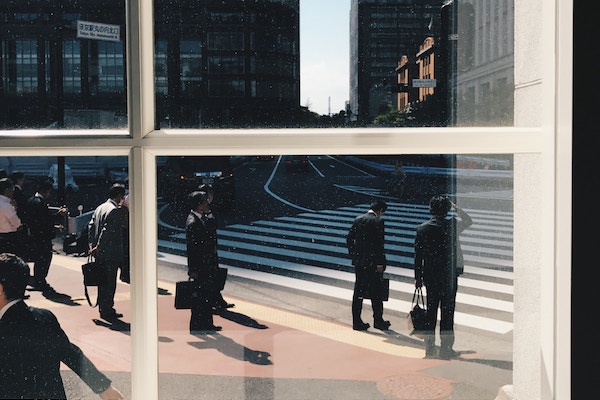
To obtain a Business Manager Visa (経営・管理) in Japan, you generally follow two steps: (1) establish your business in Japan and (2) apply for the Business Manager Visa. However, the screening criteria were significantly tightened from October 16, 2025, raising the financial and operational requirements for applicants.
Key requirements (updated rules):
• Capital / investment requirement raised to “30 million yen or more”
Under the updated criteria, the minimum financial requirement is expected to rise from ¥5,000,000
to ¥30,000,000+. This change reflects an intention to attract entrepreneurs with a stronger,
sustainable financial base and the capacity to operate long-term businesses in Japan.
How the ¥30 million requirement is calculated depends on your business structure:
For corporations:
• For joint-stock companies (Kabushiki Kaisha / KK), the paid-in capital is counted.
• For partnerships or limited liability companies, the total investment amount is counted.
For sole proprietors:
The total amount required for business operations is counted, including items such as
rent, one year’s worth of wages, and equipment investment.
• At least one full-time employee becomes mandatory
Previously, hiring staff could be used as an alternative to meeting the capital threshold.
Under the updated approach, reports indicate that both conditions must be satisfied:
¥30 million+ in capital/investment and at least one full-time employee.
Eligible employees typically include Japanese nationals and certain long-term resident categories
(such as permanent residents, long-term residents, and spouses of Japanese nationals or permanent residents).
• Office space in Japan
You must secure a real office space in Japan. Using accommodation as an office may be possible only if the lease
explicitly allows business use and the premises meet practical office requirements.
• Business plan (in Japanese)
A business plan in Japanese is generally required. It should clearly demonstrate continuity,
operational realism, and a credible plan to run the business in Japan.
Important (transitional measures for existing visa holders):
If you already hold a Business Manager Visa, transitional measures of three years may apply.
In other words, existing holders may have up to three years (until October 16, 2028) to align with
the revised requirements, with immigration decisions taking into account business conditions and the prospect
of meeting the new standards during the transition period.
The Business Manager Visa is often granted for one year initially. Renewals (1 year, 3 years, etc.) depend on business activity, financial records, and compliance. Immigration authorities are not required to explain why a shorter or longer renewal period is granted.
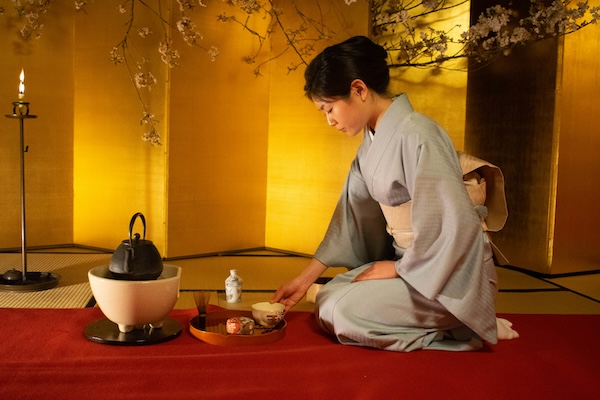
This type of visa is for individuals who wish to engage in cultural or artistic activities that provide no income, such as unpaid internships, studies in traditional Japanese culture, or participation in artistic activities. If you want to stay in Japan with a Cultural Activities Visa there are few steps you need to follow:
To qualify for a Cultural Activities visa, you must meet one of the following criteria:
• You plan to engage in unpaid activities related to Japanese culture or art.
• You intend to learn or practice traditional Japanese cultural arts, such as tea ceremony, ikebana (flower arranging), or martial arts.
You will need to gather the following documents:
• Passport: Valid and with enough pages for the visa.
• Visa Application Form: Completed and signed.
• Photo: One recent passport-sized photo.
• Certificate of Eligibility (COE): This is not mandatory but highly recommended as it simplifies the process. This certificate is issued by the Japanese Immigration Bureau.
• Proof of Cultural Activity: Documents detailing your planned activities, such as:
• A detailed letter of invitation or acceptance from the host organization or school.
• An outline of your cultural activities or study plan.
• Evidence of Financial Stability: Bank statements or a financial support letter ensuring you have sufficient funds to support yourself during your stay.
• Resume/CV: Detailing your background and experience relevant to your planned cultural activity.
• Other Supporting Documents: Any additional documents that can support your purpose of stay, such as a letter of recommendation or proof of previous cultural activities.
While the COE is not mandatory, it is highly recommended.
To obtain a COE, you must:
• Have a sponsor in Japan, such as the school or organization inviting you.
• Submit the COE application to the local immigration office in Japan, either by your sponsor or through an immigration lawyer.
The documents required for the COE include:
• Application form for the COE.
• A letter of reason for the application.
• Documents proving the cultural activity (e.g., acceptance letter from the host organization).
• Proof of financial stability (bank statements, etc.).
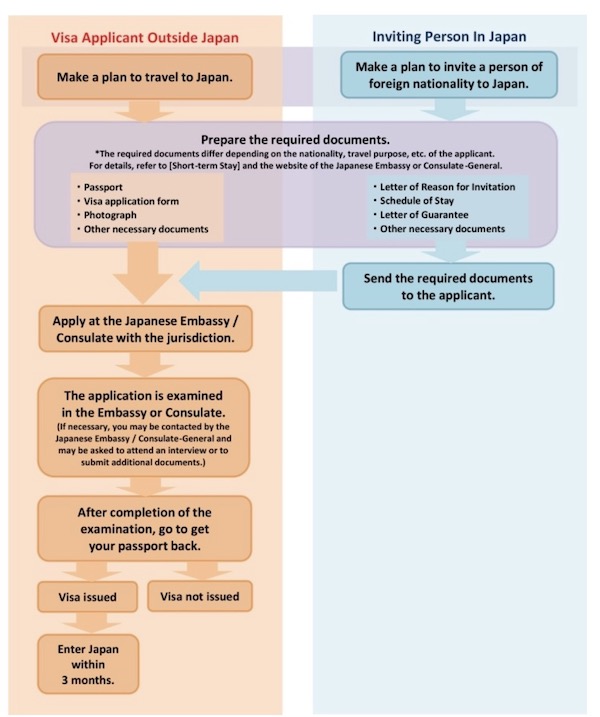
Once you have your COE (if applicable), submit your visa application to the Japanese embassy or consulate in your country. If you do not have a COE, submit all the necessary documents directly.
Some embassies or consulates may require an interview. Be prepared to discuss your planned activities and your reasons for wanting to engage in cultural activities in Japan.
Processing times can vary, but typically it takes a few weeks. The embassy or consulate will notify you once your visa is ready for collection.
• Start Early. The process can be lengthy, especially if obtaining a COE, so start as early as possible.
• Consult the Embassy. Contact the Japanese embassy or consulate in your country for specific requirements and guidance.
• Maintain Records. Keep copies of all documents submitted for your records.
A Certificate of Eligibility -COE- is a document issued by the Japanese Immigration Bureau that verifies you meet the conditions for landing in Japan. It is required for most long-term visas (e.g., student, work, spouse visas). Your sponsor in Japan typically applies for it on your behalf.
Processing times vary by visa type and your country of residence. Generally:
- Temporary Visitor Visa: 5-10 business days.
- Student, Work, Spouse Visas: 1-3 months (including COE processing).
Visa fees vary by country and visa type. Typical costs are:
- Temporary Visitor Visa: Around 30-50 USD or EUR
- Student, Work Visas: Around 30-60 USD or EUR
Fees are often waived for nationals of certain countries.
No, you cannot work on a Temporary Visitor Visa. You need an appropriate work visa to engage in employment activities.
Yes. To extend a visa, you must apply at a regional Immigration Bureau before your current visa expires. Extensions depend on the type of visa and your reasons for staying longer, and approval is not guaranteed.
Citizens from many countries, including the U.S. and EU nations, can stay for up to 90 days without a visa (under visa waiver agreements). For other countries, a tourist visa typically lasts between 15 to 90 days. You can use a maximum of 2 Tourist Visa per year.
If you are staying within the airport’s transit area and not entering Japan, you typically do not need a visa. However, if you need to leave the transit area or stay overnight, you may require a visa.
If your visa application is denied, you can:
- Ask for the reason: The embassy or consulate may provide a general reason for the denial.
- Reapply: Address the issues that led to the denial before reapplying.
- Seek legal advice: If unsure about the reasons or next step, just contact us at help@visa-in-japan.com
Generally, it’s challenging to change from a Temporary Visitor Visa to another visa type while in Japan.
It’s usually required to leave Japan and apply for the new visa from your home country.
These questions cover many common concerns for those planning to visit or stay in Japan for various purposes.
Always check the specific requirements and procedures from the Japanese embassy or consulate in your country
for the most accurate and detailed information.
Yes, you can get a visa for Japan without speaking Japanese, depending on the visa type.
Common visa types that don’t require Japanese language skills:
Tourist Visa: No language requirement.
Spouse Visa: If you're married to a Japanese national or permanent resident, language is not a prerequisite.
Work Visa (Engineer, Specialist in Humanities, etc.): Many companies in tech, research, or international trade hire foreigners without requiring Japanese, especially if the workplace operates in English.
Investor/Business Manager Visa: Focus is on your business plan and capital, not your language skills.
Student Visa: Most schools require basic Japanese, but some universities and language schools accept beginners.
To obtain permanent residency in Japan, you must typically live in the country for 10 consecutive years,
or as little as 1–5 years if you hold a highly skilled visa or are married to a Japanese national.
You must also demonstrate financial stability, good behavior, and pay taxes.
Applications are submitted to the Immigration Bureau with supporting documents, including proof of residence, income, and tax records.
There is no limit to the number of times you can enter Japan. However, if you intend to stay in Japan for more than half of year (180 days) as “Temporary Visitor”, you might not be allowed to enter Japan since it may not be regarded as temporary visit.
No, you must leave Japan and apply for a work visa through a sponsoring employer from your home country.
As of 2026, COE processing usually takes 1 to 3 months depending on visa type and regional immigration bureau.
Yes, you can apply through a Japanese embassy abroad if your Japanese spouse resides in Japan.
No. Freelancing is not permitted under a student visa even with part-time work permission.
It depends on the activity type. Typically 6 or 12 months per renewal, up to 2 or 3 years in total.
Yes, if you secure full-time employment and the employer sponsors a change of status at immigration.
Yes. All long-term visa applicants must provide fingerprints and a facial photo at entry.
Yes, as long as the visa holder earns sufficient income and meets residency conditions.
No official digital nomad visa exists in Japan as of 2026. Work must be local and sponsored.
Visit your city/ward office within 14 days of moving to register your residence and receive your My Number.
Yes, some high-skill PhD graduates may qualify for PR in as little as 1 year under the Points-based system.
Marriage/birth certificates, proof of income, housing details, and a COE application via sponsor in Japan.
Yes, informal study is permitted, but not full-time academic enrollment under this visa type.
You must report the loss and apply for a replacement within 14 days at the nearest immigration office.
COE can be submitted by proxy in Japan, but the visa application must be lodged in person at the consulate.
Spouse Visa holders must notify immigration. Status may be revoked or changed if the marriage ends.
No, the Working Holiday Visa is strictly limited to one year and is non-renewable.
Not always, but some visa categories (e.g., nurse or caregiver) require a health certificate.
Joint leases, utility bills, and photos help prove shared residence when applying or renewing.
Yes, but only if they secure a job that matches their educational background and meet degree requirements.
Japan is preparing a series of immigration-related reforms that may take effect in 2026, following policy directions announced by the Japanese government. While many details are still under discussion and subject to final approval, foreign residents, workers, students, and visitors should be aware of potential changes that could affect visa procedures and costs.
One of the most widely discussed changes concerns a revision of Japan’s immigration fee structure. For many years, visa-related government fees in Japan have remained relatively low compared to those of other developed countries.
From fiscal year 2026 onward, the government has indicated its intention to increase fees for visa renewals, changes of status, and permanent residency applications, in order to better reflect administrative costs and modernize the system.
While final amounts have not yet been officially confirmed, applicants planning long-term residence in Japan should be prepared for noticeably higher government fees.
Rather than introducing major new visa categories, immigration policy under the current administration is expected to place greater emphasis on compliance and enforcement of existing rules.
This may result in closer checks related to:
Japan continues to rely on foreign workers in various industries, but discussions are ongoing regarding how foreign employment is monitored. In 2026, foreign workers may face more detailed documentation and screening requirements, particularly when renewing or changing their status of residence.
Employers sponsoring foreign nationals may also be subject to increased responsibility and verification requirements.
Alongside immigration reforms, Japanese authorities have also discussed adjustments to travel-related costs. These discussions include the possibility of higher tourist visa fees and changes to existing departure or travel-related taxes.
Although short-term visitors are unlikely to face major procedural changes, overall travel costs to Japan may increase slightly from 2026 onward.
As of now, there have been no official announcements confirming the creation of new visa categories or the removal of existing ones for 2026. Most proposed changes relate to fees, procedures, and compliance rather than visa types.
Immigration rules in Japan typically evolve gradually, with detailed guidelines released closer to implementation dates.
If you are planning to move to Japan, extend your stay, or apply for permanent residency, staying informed ahead of 2026 can help you avoid delays, unexpected costs, and compliance issues.
As of April 1, 2025, Japan revised several immigration application fees. Media reports indicate that additional increases may occur from FY2026. Figures for 2026 are not final and should be treated as estimates.
| Procedure |
2025 Fees (Effective) |
Expected 2026 (Reported) |
Notes |
|---|---|---|---|
|
Visa Renewal Extension of Period of Stay |
¥6,000 in person ¥5,500 online |
~¥30,000–¥40,000 | Online filing may be slightly cheaper where available. |
|
Change of Status e.g. Student → Work |
¥6,000 in person ¥5,500 online |
~¥30,000–¥40,000 | Applies when switching residence statuses. |
| Permanent Residence (PR) | ¥10,000 | ¥100,000+ | Described as a major increase in multiple reports. |
|
Re-entry Permit Multiple |
¥7,000 in person ¥6,500 online |
Not clearly specified | Public discussion mainly focuses on renewals and PR. |
Sources: Japan’s Immigration Services Agency / Ministry of Justice (April 1, 2025), and media reporting on potential FY2026 increases. Always verify official fee schedules before applying.
Multiple media reports indicate Japan is considering a significant increase in fees for visa renewals (extension of period of stay) starting in FY2026. Until official fee schedules are published, applicants should treat reported figures as estimates.
For applications submitted on or after April 1, 2025, the extension of period of stay (visa renewal) fee is ¥6,000 for in-person filing and ¥5,500 for online filing where available.
Media reports have mentioned a possible range of approximately ¥30,000–¥40,000 for renewals, but the final amounts and timing may change depending on government decisions.
Yes—reports suggest the government is also considering higher fees for changes of status of residence from FY2026, potentially in a similar range to renewals.
Reports have suggested the PR application fee could increase significantly from FY2026, potentially reaching ¥100,000 or more. This is not yet officially confirmed.
For certain procedures, online filing may be slightly cheaper (for example, ¥5,500 online vs ¥6,000 in person for renewals), depending on eligibility and system availability.
As of early 2026, there are no confirmed announcements of entirely new visa categories specifically tied to these fee changes. Discussions and reporting mainly focus on fees, procedures, and compliance.
Policy discussions indicate stronger emphasis on compliance and verification of existing rules. Applicants should ensure their activities match their status and that required obligations are met.
Some discussions mention broader travel-related cost adjustments, but major procedural changes for short-term visitors have not been clearly confirmed. Always check official updates before traveling.
Always verify the latest fees on official announcements from Japan’s immigration authorities (Immigration Services Agency / MOJ) and the application guidance for your specific procedure.
Visa‑in‑Japan.com is an independent information and support service. We are not a government agency or a law firm, and we do not provide legal representation. Our guidance is based on publicly available rules and official sources. For complex or exceptional cases, we may recommend consulting a licensed immigration attorney or gyōsei shoshi.